
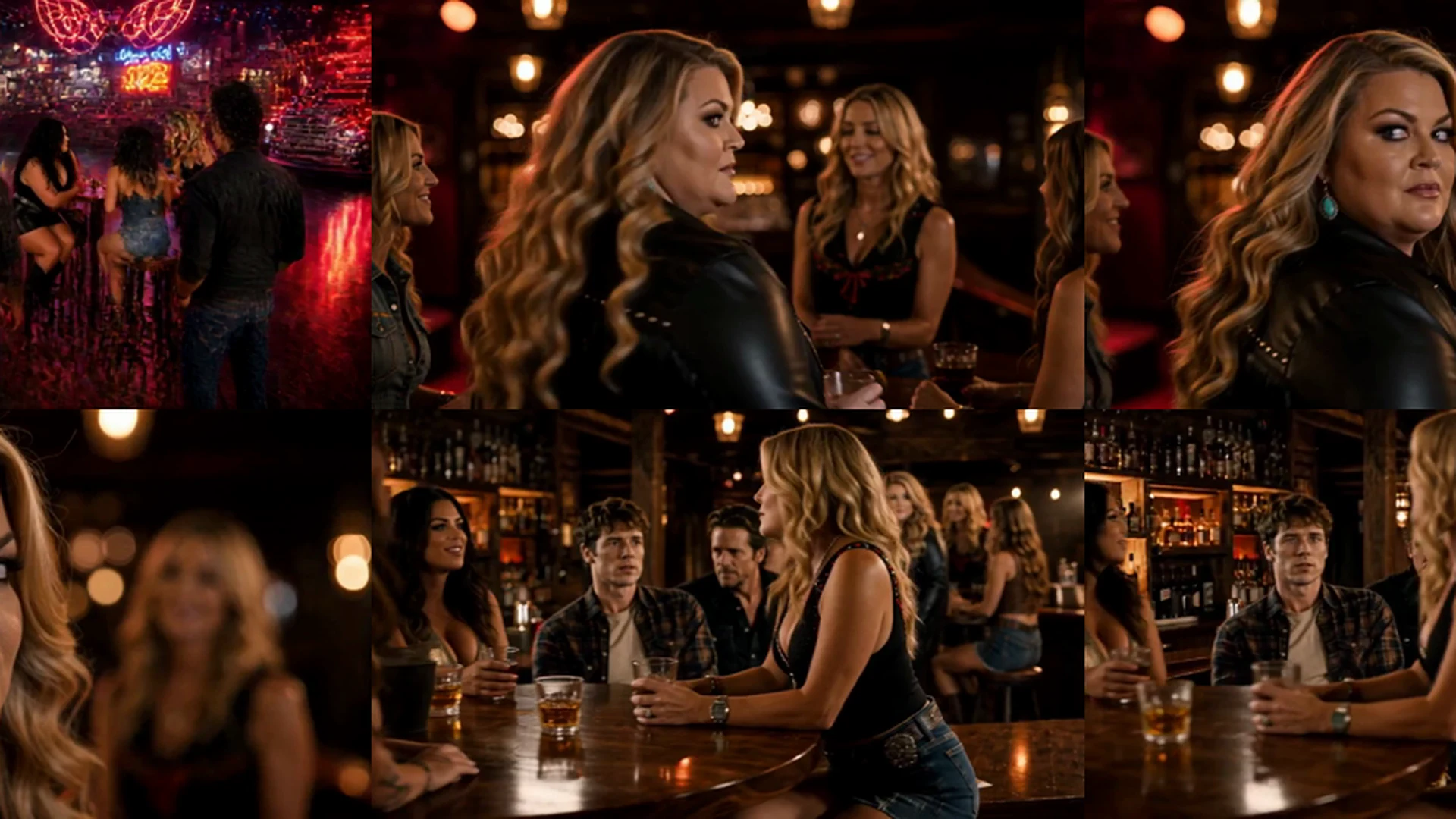
 AI-generated editorial visualization · not a real client event
Creative AI produces options almost on contact. A finished work with a coherent point of view remains harder.
Through KendrickCreates, the work now treats AI-assisted music and music video as a production pipeline, not a relay race between generators. The immediate issue was continuity: a concept can lose its center while moving from sound to image to motion to edit.
What changed
The working method begins with a brief and an emotional center that cannot be negotiated away. Musical and visual directions compete against that same brief. Approved motifs and visual rules carry forward. Decisions stay recorded so a later iteration cannot quietly reverse an earlier one. Human approval comes before a direction becomes expensive to develop.
Tools produce material. The pipeline decides what earns another hour.
Agents support reference research, inconsistency checks, variation management, and production briefs. They also help preserve continuity between specialized tools that otherwise know nothing about one another’s decisions.
The artifact, accurately named
The current artifact is a repeatable creative-production workflow: structured brief, role-specific stages, review criteria, and a handoff from music concept to visual treatment and edit plan.
This workflow remains under active use and refinement. It is not a claim that every creative project can be automated, and it does not present an unreleased work as complete.
Authorship does not move downstream
The artist still decides what the work means, which imperfection gives it character, whether an image belongs, whether a performance feels honest, and when another pass is making the piece worse.
Before adding another creative tool, name the decision it improves and the person who owns that decision. If neither answer is clear, the pipeline does not need the tool yet.
← Back to News