
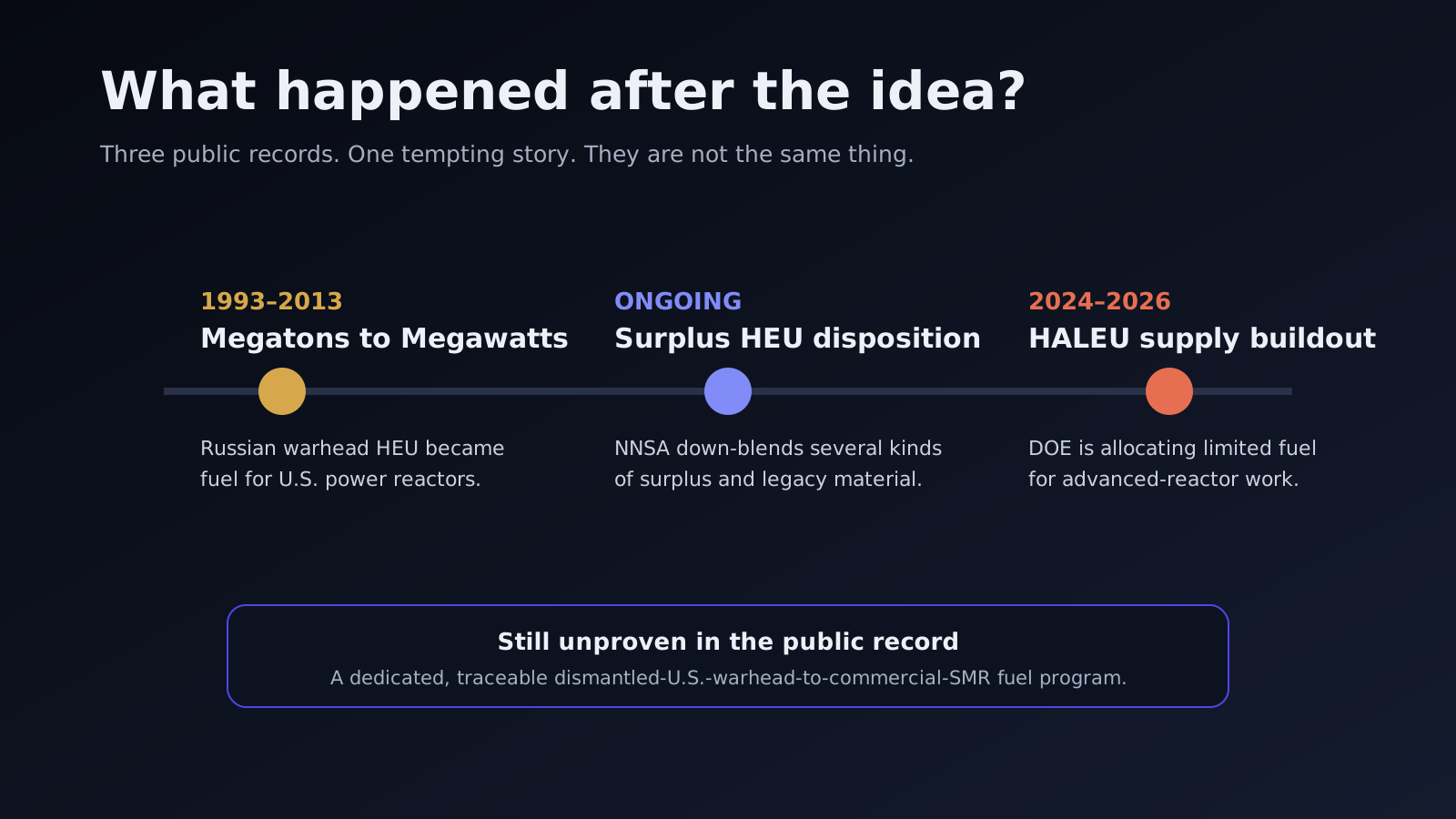
The idea of using remediated nuclear warheads, typically through a process called megatons to megawatts, to fuel small modular reactors (SMRs) is fascinating. The uranium from warheads is often down-blended, turning weapons-grade material into reactor-grade fuel suitable for civilian nuclear power.
In terms of output, the energy produced by an SMR depends on its size and design, with most SMRs in development designed to generate between fifty to three hundred megawatts (MW) of electricity. As a rough estimate, a single nuclear warhead, once remediated, can yield enough uranium fuel to generate energy for several years in a standard reactor. However, because SMRs are more efficient in some cases, the energy from one remediated warhead could potentially power an SMR for even longer.
If we use Russia’s program as a reference (where many warheads were turned into reactor fuel), about twenty kilograms of uranium from a nuclear warhead can fuel a large reactor for a year. Scaled down to SMRs, which are smaller but more efficient, a similar quantity could likely support several years of operation. The exact number depends on reactor design, fuel consumption rates, and operating conditions.
The energy cost to remediate a nuclear warhead is primarily associated with the processes of dismantling, down-blending highly enriched uranium (HEU) to low-enriched uranium (LEU), and handling or converting plutonium in certain cases. These steps involve careful handling, centrifugation, and chemical processing to reduce the enrichment level of the uranium to make it suitable for civilian reactors.
While the precise energy costs vary depending on the scale of operations and specific technologies used, these costs are generally manageable compared to the benefits. Down-blending HEU typically occurs in specialized facilities, requiring electricity for centrifuges and other equipment, but it's not an extraordinarily energy-intensive process compared to other industrial operations.
In terms of whether it's "worth it," there are several factors beyond just the energy cost to consider:
- Non-Proliferation: Remediating nuclear warheads for use in civilian reactors supports global non-proliferation efforts by reducing the amount of weapons-grade material available.
- Fuel Source: The down-blended uranium creates a valuable fuel source for nuclear reactors, contributing to energy security and providing low-carbon electricity, which is a significant benefit in the broader context of reducing greenhouse gas emissions.
- Economic Benefits: The Megatons to Megawatts program (where Russian warheads were remediated for U.S. reactors) demonstrated that this approach can be economically viable, turning a once-dangerous resource into something that generates value and reduces long-term storage costs for warheads.