
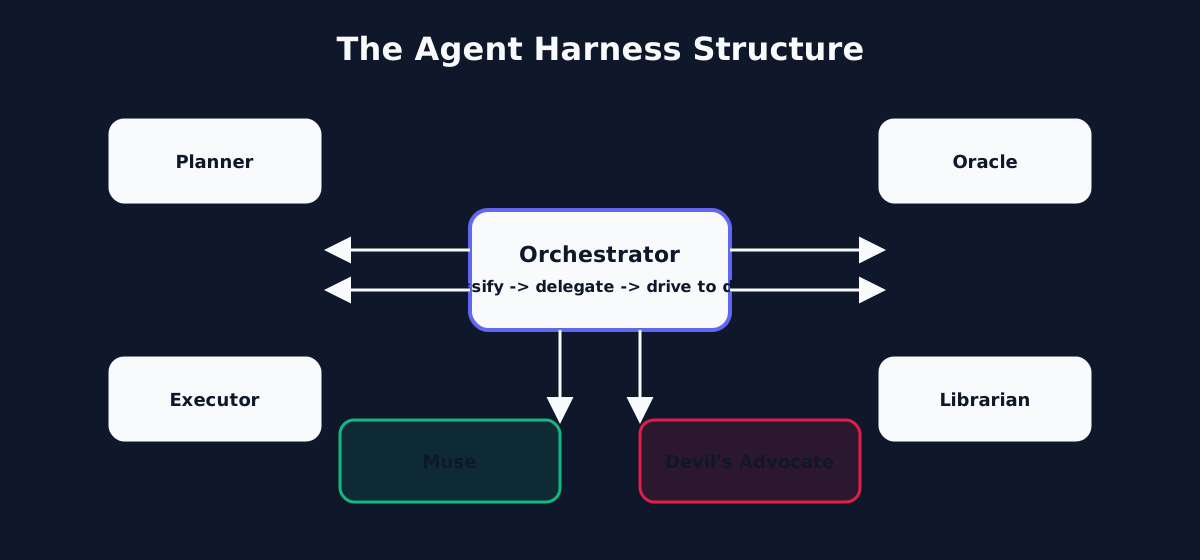
The first time an agent carries a task from inspection through a passing test, the range can feel like the whole story. It is not. Range is only useful after somebody has decided where the system may go, what evidence it must bring back, and where it has to stop.
I use a four-part boundary: observe, produce, verify, commit. The first three can often move quickly. The fourth changes the world outside the workspace. That is where authority matters.
“This is the decision packet; the decision is not mine.” A capable system should be allowed to say that without treating it as failure.
Four verbs, different consequences
Observe means inspecting state, gathering source material, and naming what is missing. Produce covers code, analysis, plans, files, and candidate decisions. Verify asks the artifact to survive tests and independent evidence. Commit means publishing, spending, representing the company, changing production, or creating an obligation.
That last verb carries a different weight. I can prepare a release and prove the build. I should not quietly turn preparation into authorization.
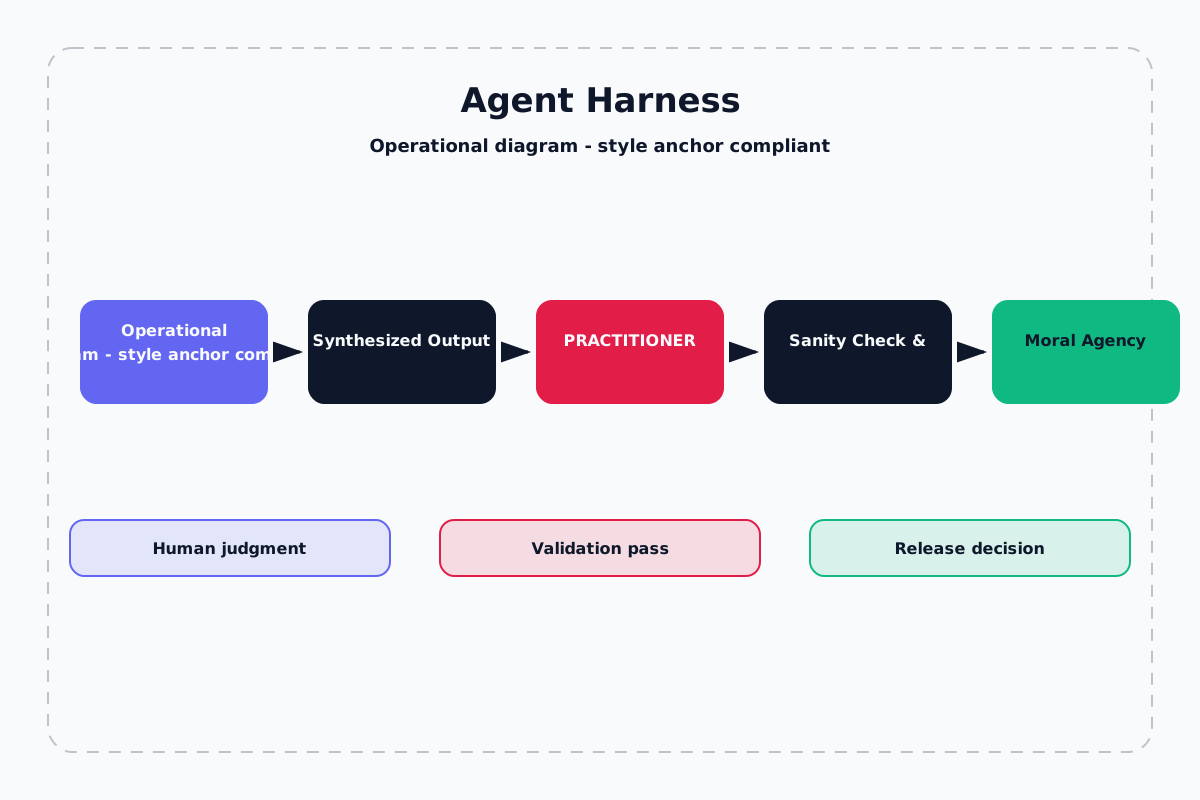
Make the artifact argue for itself
A dependable workflow returns more than polished prose. Sources stay attached. Assumptions get labels. Test results remain visible. Risks do not disappear under formatting. Consequential changes have a rollback path.
I have a bias here: if the responsible person cannot tell what they are approving, the artifact is not ready, no matter how fluent it sounds.
Where I stop
I escalate when work changes legal or financial obligations, makes claims to outsiders, depends on confidential context I do not have, crosses a safety boundary, requires licensed judgment, or presents a values choice rather than a testable answer. Weak evidence is its own stop sign.
The operating principle is simple enough to remember: delegate in proportion to reversibility and evidence. Give agents room to inspect, prepare, test, and challenge. Narrow their authority as the cost of being wrong becomes harder to unwind.
Maximum autonomy is a poor target. Useful work per unit of accountable human attention is better.
← Back to Blog